
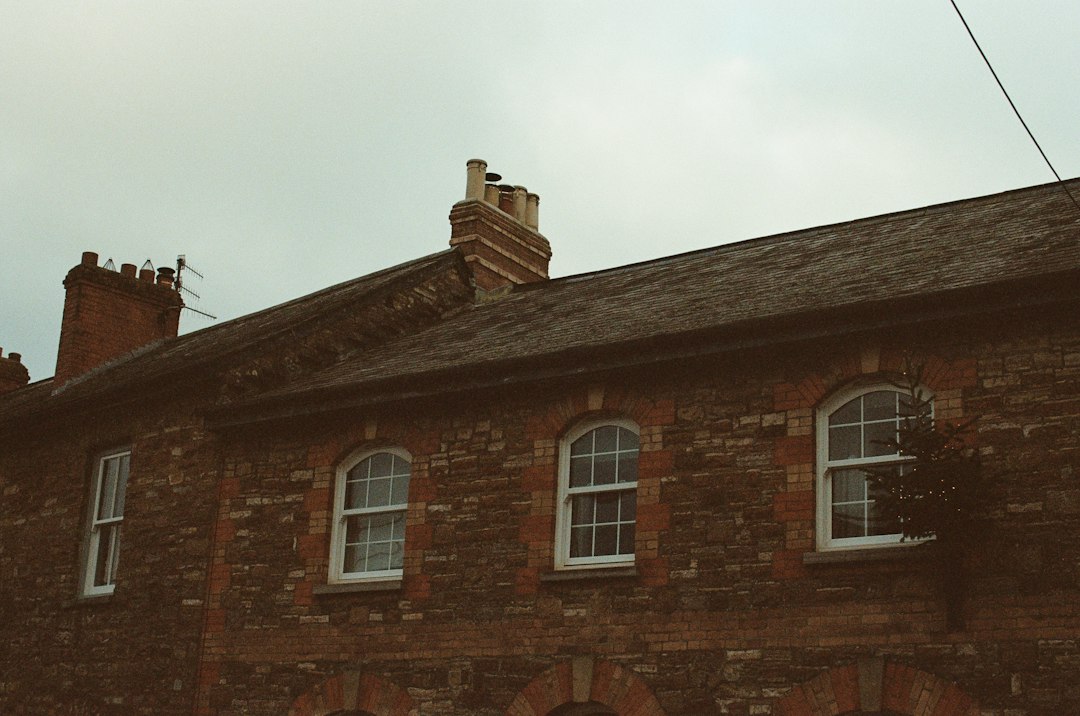
A Stain by the Chimney? Santa Ana Leak Tracing and Repair
Find the leak, then fix that part.
A mark high on the wall points to flashing, a wet firebox to the cap or crown, flaking brick to the masonry. Choose the card that sounds like your house.
Chimney Sweep
Creosote and wet soot brushed out of the flue, with any damp streaks or salt marks along the way written down for you.
Chimney Inspection
A visual check from hearth to crown that follows the places where water and heat are getting in where they should not.
Chimney Repair
Repairs that begin at the wet mark inside the house and follow the water back up to whatever part let it in.
Fireplace Inspection
Firebox, hearth, damper and smoke chamber checked from the room side, looking for rust, damp and loosening brick.
Fireplace Repair
Firebox, damper and hearth repairs, often needed after years of rain dripping down a flue with no cap.
Chimney Level 2 Inspection
Recorded camera footage of the flue plus attic and roof checks, for a sale, a chimney fire or a leak nobody can explain.
Chimney Cap Installation
A metal hood over the flue opening, so winter storms stop dripping onto the damper and nests stop forming inside.
Chimney Flashing Repair
Resealing the seam where roofing meets brick, the most common entry point we trace chimney leaks back to.
Chimney Masonry Repair
Spalled brick, washed out joints and crumbling top courses repaired so rain stops soaking into the stack.
Chimney Rebuilds
Where patching no longer holds, the stack comes down and goes back up with a fresh flue, a proper crown and a cap that keeps water out.
Fireplace Cleaning
Ash, soot and the musty smell that damp leaves behind, cleared from the firebox, smoke shelf and doors.
Gas Fireplace Cleaning
Burner, pilot, glass and vent outlet cleaned on a gas unit, with the outside cap checked for rust and nests.
Gas Fireplace Repair
Gas units that fail to light, shut off early or burn ragged, traced part by part, including faults caused by damp.
Fireplace Remodel
A new face, hearth or firebox, planned once we have confirmed the chimney behind it is dry and sound.
Fireplace Inserts
A sealed heater set into your fireplace, vented through a new liner that is capped against rain at the top.
Pellet Stove Repair
Pellet stoves that jam, quit or shut down, including faults caused by damp fuel and a vent that lets rain in.
Wood Stove Repair
Gaskets, baffles, firebrick and stovepipe on wood stoves, plus rust where water has been running down the flue.
Gas Logs
Gas log sets fitted to a working fireplace, for the winter evenings when wood fires are off the table.
Chimney Seismic Retrofit
Older brick stacks secured against a strong quake, so a cracked chimney stays out of the roof and the yard.
Chimney Crown Repair
The poured top of the stack sealed or recast, since it takes every drop of rain before the brick does.
Dryer Vent Cleaning
Lint cleared from the dryer duct to the outside hood, and the flap checked so rain and pests stay out.
Chimney Liner Installation
A new stainless liner inside a cracked or rain damaged flue, with a cap fitted so water stays out of it.
Chimney Leak Repair
Following a leak from the ceiling stain up to its entry point, then closing every opening we find.
Chimney Waterproofing
A clear repellent brushed into the brick faces so they shed rain, laid on after the crown and flashing are fixed.
Chimney Damper Repair
Rusted, warped or stuck dampers freed, repaired or replaced, often after rain has been landing on them for years.
Chimney Chase Cover
A new metal top for a framed chimney chase, made to shed water instead of collecting it.
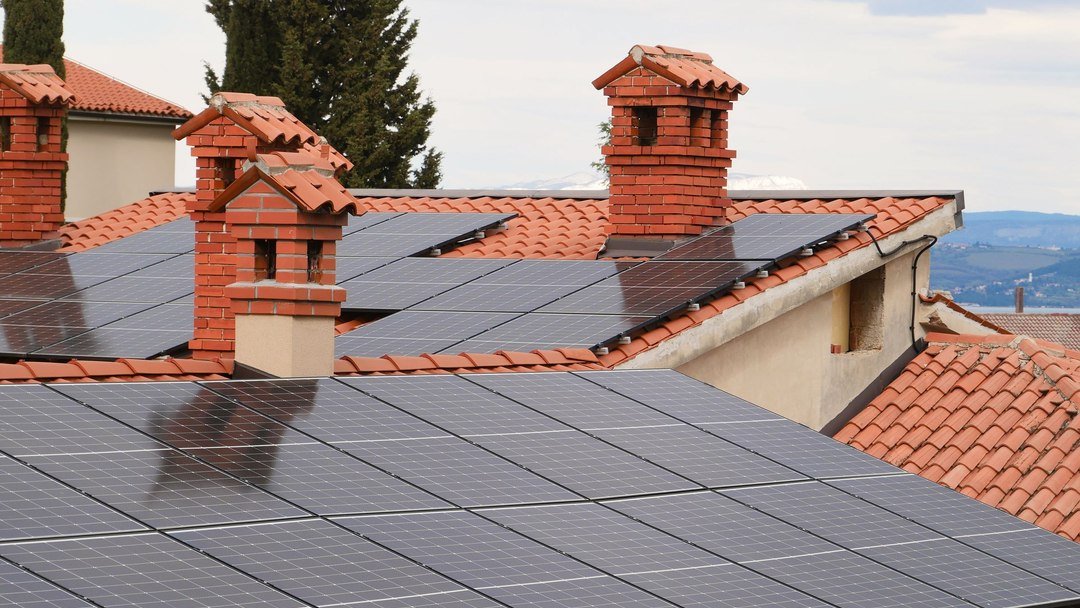
From Santa Ana
A hose on the crown, then the cap, then the flashing, and the attic tells us which one leaks.
Every stain has a source on the roof. Our job is finding which one.
Overton Chimney Group is based in Santa Ana and spends most days in central Orange County, on roofs in Tustin, Garden Grove, Placentia and the cities between.
A typical first message: a brown ring showed up on the ceiling after the last storm. Or the firebox smells like a wet basement. Or chips of brick keep landing in the gutter. Each one leads to a different part of the stack.
So the visit begins at the mark, moves to the attic, and finishes on the roof with water run over one part at a time. Once the leaking part is clear, we price that repair in writing and test it again when the work is done.
Attic checked on every leak call
Water test before and after
Photos of each entry point
Scope and price on paper first
A Common First Message
“It only drips in the big storms.” That detail alone points us at wind driven rain on the flashing or porous brick.
Lifted counter flashing, a crown split across the middle, an open flue with no cap, sandy joints on the weather side: each gets its own water test.
Follow the water
A stain shows where water ends up, not where it got in. We trace it back to the crown, cap, flashing or joint before naming any repair.
Prices on paper
Every repair is written up with its scope and price before work starts, and the figures published on this site are the ones we charge.
Photos as evidence
Each entry point we find is photographed, so you can see the crack or the gap yourself instead of taking our word for it.
Built for Orange County weather
Long dry spells, sudden winter storms and hard sun split sealant and crack crowns here. Repairs are planned around that cycle.
When the chimney question comes with a deadline or a signature
A sale, a big house with many hearths, an agent's file or a city sign-off: each page below follows water and wear through that situation and says what you receive.
Buying from out of town
Buying a house you cannot walk through? Entry runs through the agents and the Level 2 findings come to you in writing.
Real estate agents
Chimney findings worded so an agent can forward them to a client or the other side without translating.
Large homes and managed properties
Big houses with several fireplaces, inspected room by room in one visit and priced per fireplace.
Repairs and permits
Which chimney repairs need a city permit, which do not, and how sign-off works before the work is done.
From the mark on the wall to the part that leaks
The order holds on every job: inside first, attic second, roof third, and no repair priced until water has shown us the way in.
Start at the stain
Use the contact form to say where the mark, smell or loose brick is and what the weather was doing when it appeared. We call back to set the visit.
Indoors first
We look at the stain, the chimney breast and the hearth, then go into the attic where the stack passes through. Drip lines on the framing show which side the water came from.
Up to the roofline
On the roof we check the crown, cap, flashing and brick faces. Water runs over one part at a time to show which of them let it in.
Findings on paper
You receive photos of each entry point and a written scope listing every repair with its price. Nothing starts until you approve it.
Repair, then retest
After the repair, water goes over the fixed parts again while someone checks inside. You keep the photos for your records or for a future sale.
Callbacks go out 7:00 AM to 7:00 PM, Monday through Sunday.
What Orange County owners ask when water finds the chimney
Stains, musty fireplaces, inspections and prices, answered the way we would on the roof with you. Something else going on? Use the contact form.
Does the stain grow a little with every storm?
Say whether it shows after every shower or only in long, wind driven storms. That one detail tells us which part of the stack to test first, and the repair follows once the source is confirmed.
Report a LeakCallbacks run 7:00 AM to 7:00 PM, weekends too
Tell Us Where It Shows
One line is plenty, such as “brown ring above the mantel after rain”. We call back with a couple of questions.
From Santa Ana to Tustin, Garden Grove and Placentia
Each city here has a page of its own covering its houses, its weather and the places its chimneys most often take on water.
Santa Ana
County seat, old brick districts
A brown ring on a ceiling in French Park or Floral Park rarely starts where it shows. With 74% of homes built before 1980, we trace that water upward, past the firebox, to a cracked crown or a soft joint in old brick.
Tustin
Old Town and condo streets
Some Old Town chimneys date to the early 1900s, inside a city Cultural Resources District, and a century of storms shows in their mortar. Elsewhere just 34% of units stand detached, so a wet condo wall can lead us up a shared chase.
Garden Grove
Strawberry Festival tract city
Fields and orchards became tract streets after the war, and plenty of fireplaces poured then are likely site-built brick. A musty hearth in a house from that wave, and 77% of homes predate 1980, sends our ladder to the crown first.
Placentia
Pleasant place, north county
The early 1900s left citrus-era houses around Old Town Placentia, and the 1950s through 1970s added stucco ranch tracts. Either way, a water mark beside the chimney points us at the flashing where roof meets masonry.
Further Afield
136 more city pages in the directory
Common Around Santa Ana
Three ways water gets into chimneys here
Long dry months followed by short, heavy storms find every weak seam. These three account for most of the stains we trace.
Flashing that has let go
Reroofs often leave the old flashing in place under fresh tar. Sun splits the tar within a few seasons, and rain runs straight behind it.
Crowns troweled flat
Many tract chimneys were topped with a thin, level layer of mortar. Water sits on it, finds the first hairline crack and travels down beside the flue.
Chase tops that sag
Townhome chimneys built as framed boxes rely on a thin sheet of galvanized steel on top. Once it rusts and dips, water pools there and seeps into the framing.